History
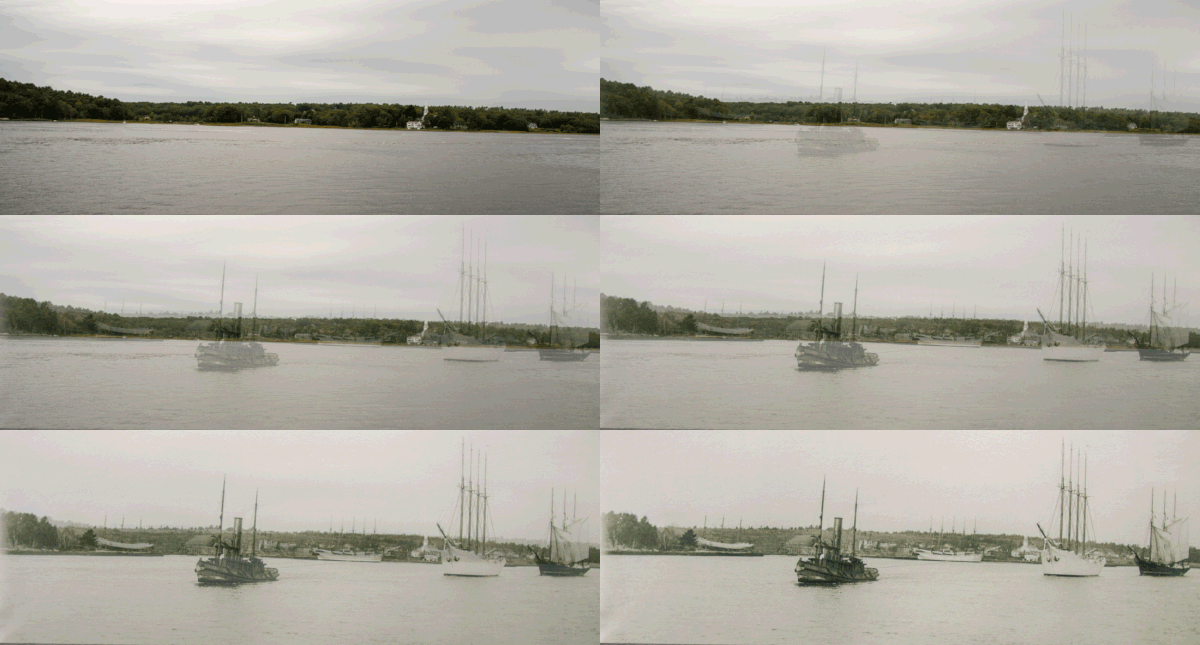
Early Settlements of the Kennebec
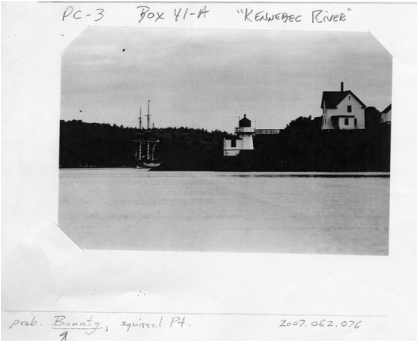
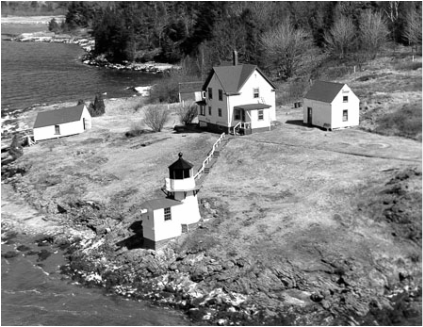
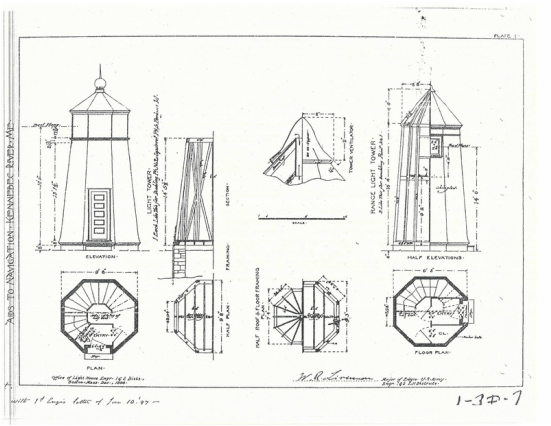
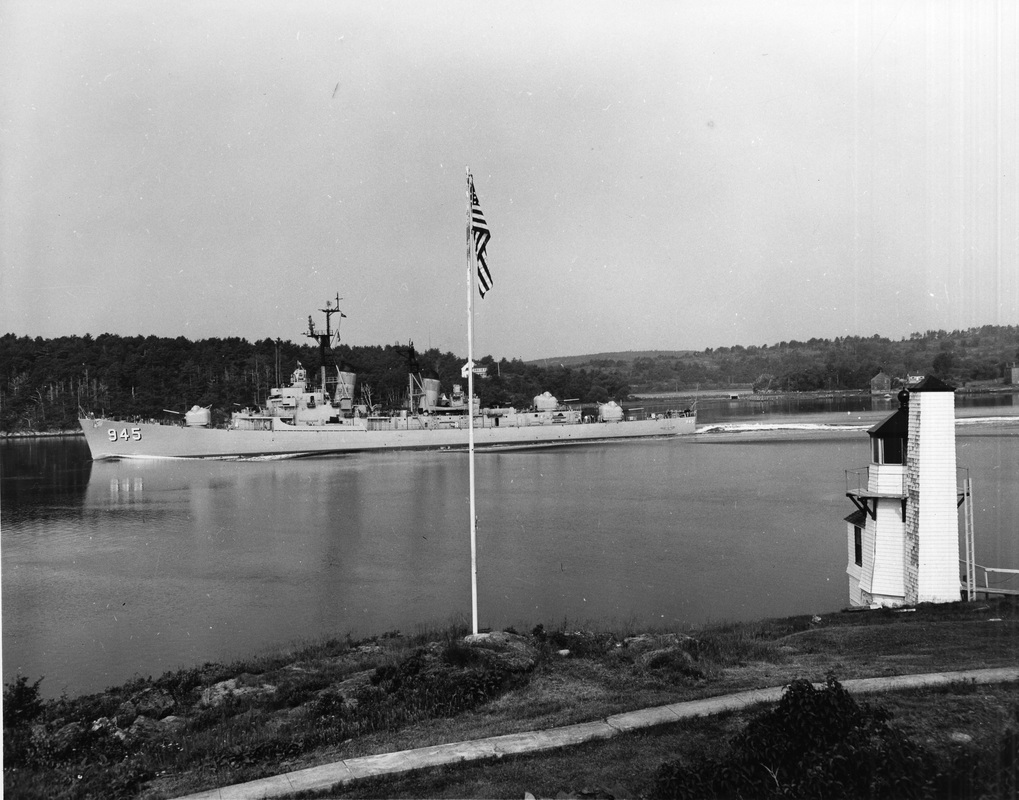
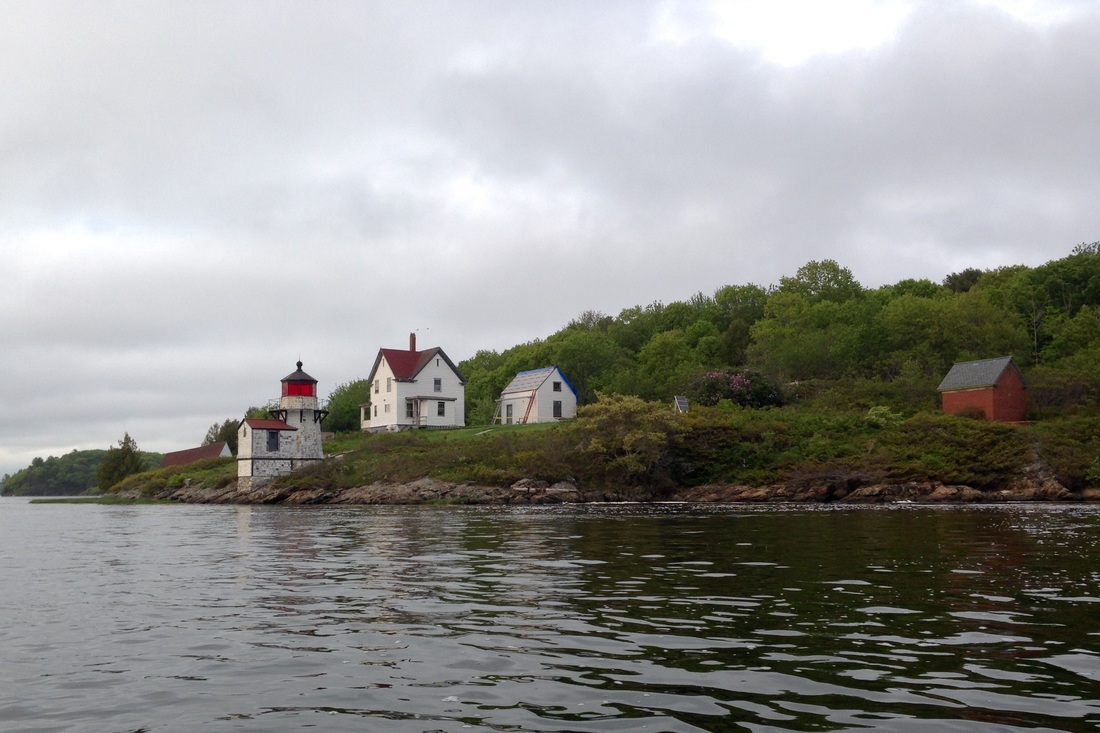
Squirrel Point Light, located on Arrowsic Island, is one of four lighthouses along the Kennebec River's 11-mile stretch from the Atlantic to Bath. The Kennebec River has long been an important waterway, and was one of the very earliest sites of European settlement. Popham Colony, at the mouth of the river, was founded in 1607 by English settlers, and although Popham did not last long, other settlements followed. Georgetown-on-Arrowsic, also called Newtown, supplied sturgeon to Boston and timber from white oak and pine to the British Royal Navy. The town was incorporated in 1716 with 41 residents and a guard of 20 soldiers to protect it from hostilities from local tribes, who were alarmed by the growth of permanent settlements that cut them off from traditional hunting and fishing grounds. In August 1717 the Governor of Massachusetts, Samuel Shute, made a visit up the Kennebec River to Newtown. According to reports, he met with local tribes for a treaty conference on Lee Island, slightly upriver from Squirrel Point. On his return voyage, Governor Shute's frigate The Squirrel ran aground at the site of the present day lighthouse, giving Squirrel Point its name and demonstrating the tricky combination of current and tide at this bend of the river. The Kennebec as a Commercial Waterway In the next 150 years, the Kennebec became the most important commercial waterway in Maine. Raw materials, including a lucrative trade in beaver pelts, were exported from what is now Canada. With few roads and many islands, local residents used the river as their highway. Bath, the "City of Ships", was an important shipbuilding center. As river traffic continued to grow, the Kennebec Steamship Company and towboat operators provided spotty navigational guidance by hanging lights on river buoys. In 1895 President Grover Cleveland appropriated $4,650 in Congress to commission the Squirrel Point site and construct the light tower, keeper's dwelling and barn. Sister lights at Perkins Island (downriver and visible from Squirrel Point), the Kennebec River Range Lights and Doubling Point Light (upriver and located on Arrowsic), were designed as an integrated system of navigational aids, and constructed from the same master plans. All had identical Victorian style keeper's quarters, boathouses, and frame barns. When it was constructed, Squirrel Point Light would have been facing Phippsburg's wharves, a customs house (the white building to the left of the church, now a private residence on the water), two shipyards and Center Pond, which was dammed for ice harvesting (the ice exported to Boston). Squirrel Point's keepers used the landing stage across the river in Phippsburg as their primary point of access. $1,600 was appropriated for Squirrel Point in 1901 to add the boathouse. In 1902 a 5th order Fresnel lens was added to the light. Automation of the Light The light was fully automated in 1979, at which time its Fresnel lens was given to the Museum at Portland Head Light. Squirrel Point Light's alternating three seconds of light and darkness, still serving as an aid to navigation and maintained by the Coast Guard, are now supplied by a modern optic. In 2008, the Coast Guard converted the Light's power from electric to solar, and disconnected the fog horn rendered obsolete by the GPS equipment with which boats are today equipped. Citizens of Squirrel Point v. Squirrel Point Associates In 1996, following the enactment of the Maine Lights Program, Squirrel Point was given to a private entity, Squirrel Point Associates, under a deed requiring that the property be used for the public benefit and maintained according to the provisions of the National Historic Preservation Act. In 2002, preservation group Citizens for Squirrel Point, represented pro bono by Verrill & Dana, LLP of Portland, filed suit in Federal court to activate the reversion clause in Squirrel Point's deed on the grounds that SPA had failed to honor these requirements. The court ruled in Citizens' favor in 2005. Current Status The US Coast Guard has granted Citizens of Squirrel Point a license to "provide access to the site for the educational benefit of the public and maritime industry... as well as all purposes consistent with the repair, maintenance and historic restoration of the facility." Restoration of the keeper's house and shed is underway and will continue with generous support from gifts, grants, and volunteer efforts. Please join the effort to protect Squirrel Point Light and make a donation - any amount is greatly appreciated! |
|